

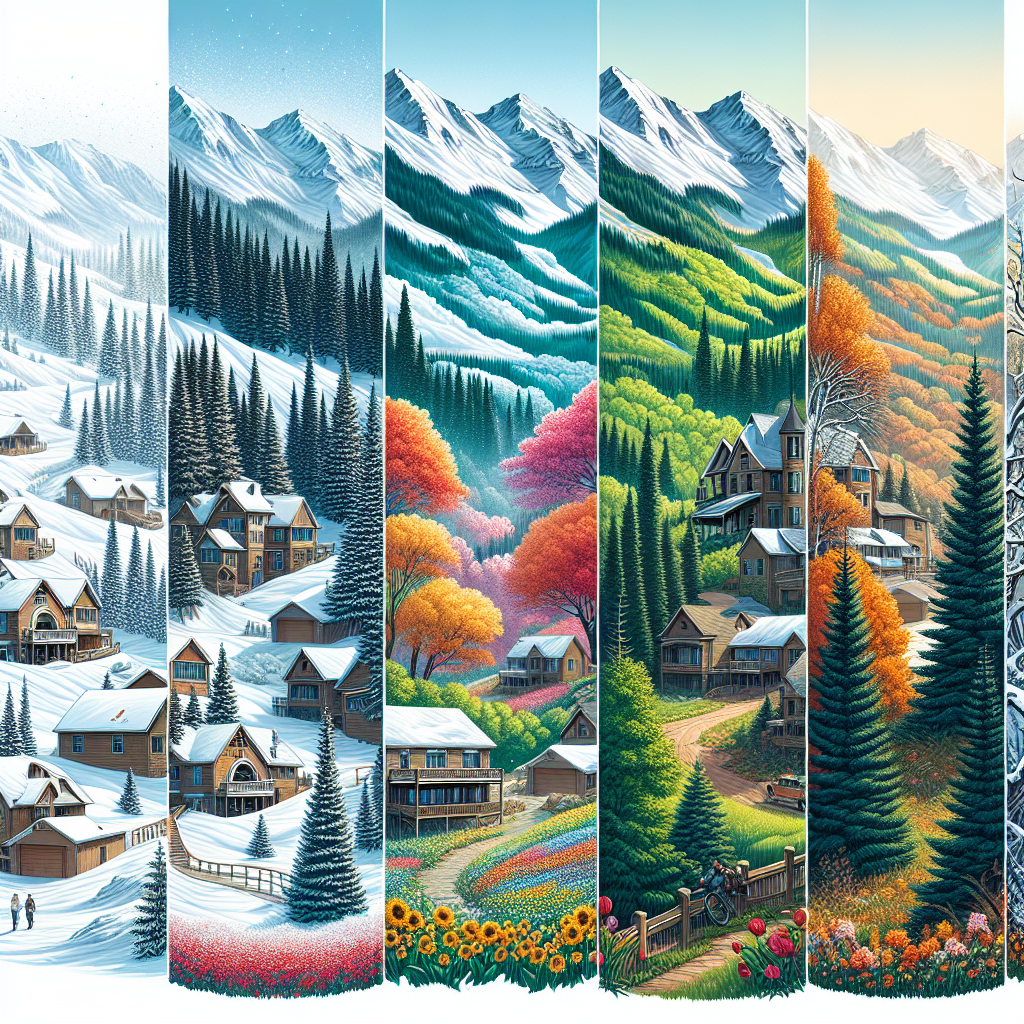
Cripple Creek, nestled in the heart of Colorado, experiences a distinctive climate characterized by comfortable summers and cold, snowy winters. This unique weather pattern influences both the natural environment and the daily lives of its residents.
Seasonal Temperature Variations
The warm season in Cripple Creek spans approximately 3.3 months, from early June to mid-September, with average daily high temperatures exceeding 65°F. July stands out as the warmest month, boasting average highs around 72°F and lows near 50°F. Conversely, the cold season lasts about 3.5 months, from late November to early March, with daily highs typically below 41°F. December is the coldest month, featuring average lows of 15°F and highs of 34°F.
Precipitation Patterns
Cripple Creek receives an average annual precipitation of approximately 18 inches. The wettest months are July and August, coinciding with the summer monsoon season, while December tends to be the driest month.
Frost Dates and Plant Hardiness
Gardeners and farmers should note that the average last frost date in Cripple Creek falls between June 21 and June 30, with the first frost typically occurring between August 21 and August 31. The area is classified within Plant Hardiness Zone 5b, indicating average annual minimum temperatures between -15°F and -10°F.
Environmental Considerations
Understanding these climatic patterns is essential for residents and visitors alike. The significant temperature fluctuations and seasonal precipitation influence local agriculture, outdoor activities, and even infrastructure planning. Being prepared for sudden weather changes, especially during transitional seasons, is crucial for safety and comfort.
By staying informed about Cripple Creek’s climate, the community can better appreciate and adapt to the natural rhythms that define this unique region.