

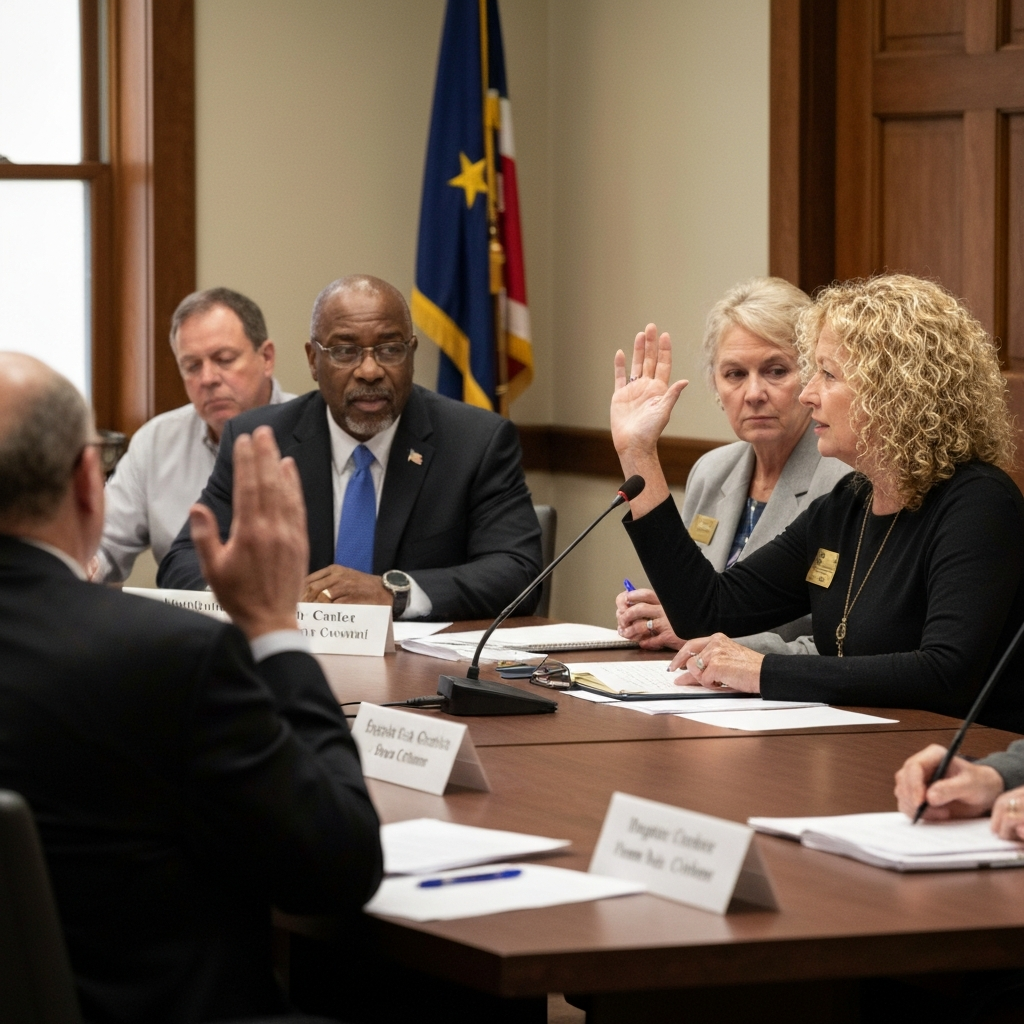
Cripple Creek is exploring a transition from a statutory city to a home rule municipality, a move that could grant the community more autonomy in local governance. This initiative has been under discussion since February 2025, when the city council voted to examine the potential benefits and challenges associated with adopting a home rule charter.
Currently, Cripple Creek operates under statutory city status, adhering strictly to state laws for municipal governance. Transitioning to home rule would allow the city to draft its own charter, providing greater flexibility in addressing local issues and tailoring policies to meet the unique needs of its residents.
Proponents of the change highlight several advantages, including increased local control over municipal affairs, enhanced revenue generation opportunities, and the ability to implement land use regulations that reflect community priorities. Additionally, a home rule charter could promote governmental transparency and better safeguard citizens’ rights and liberties.
To advance this initiative, a Charter Committee was established to draft the proposed charter. The committee has been actively working on this document, aiming to present it to voters in the upcoming November election. If approved, Cripple Creek would join the majority of Colorado cities—93% of which operate under home rule governance.
Community engagement is a cornerstone of this process. Residents are encouraged to participate in public meetings, provide feedback on the draft charter, and stay informed about the implications of the proposed governance change. The city council emphasizes that the success of this transition depends on active involvement from the community to ensure that the new charter accurately reflects the collective vision and needs of Cripple Creek’s citizens.
As the November election approaches, the city plans to host informational sessions and distribute materials to educate residents about the proposed changes. This effort underscores Cripple Creek’s commitment to fostering a participatory democracy and ensuring that all voices are heard in shaping the future of the community.