

By Leah Scott
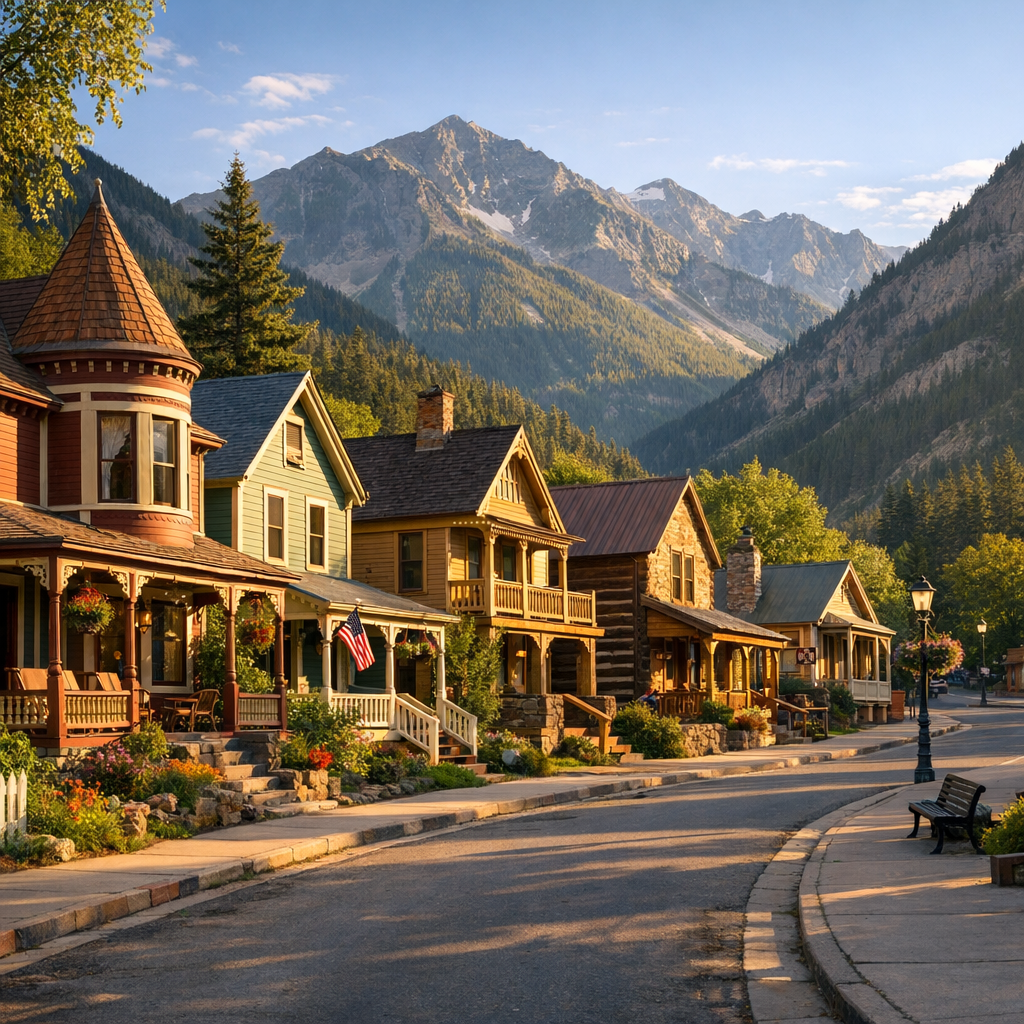
Cripple Creek is a stunning blend of historical charm and scenic beauty—and its housing market reflects that mix. As the community charted in its 2025 Comprehensive Plan, ongoing patterns around home values, vacancy, ownership, and development are reshaping opportunities and challenges when it comes to real estate and housing. Here’s what residents, buyers and renters need to know.
Home Values & Market Pace
Typical homes in Cripple Creek are valued around $285,800 to $331,900, depending on the source and methodology. That represents a substantial rise compared to values just five years ago—up from roughly $110,000 in 2009. However, average sale prices show more variability: one short-term report shows median sale price dipping by about 9% year-over-year in certain home types. That said, when homes do sell, pricing per square foot has been on a slow but steady climb.
Housing Age, Stock & the “Missing Middle”
A large portion of Cripple Creek’s housing stock is older—nearly half was built before 1940—with few new units added since 2020. Single-family detached homes dominate, while “missing middle” housing like duplexes, townhomes, or small multi-unit buildings remains scarce. These kinds of housing are often more affordable and help support diverse household sizes and incomes.
Vacancy, Seasonal Use & Ownership Patterns
Of Cripple Creek’s total housing units, about a quarter are renter-occupied, about half are owned by full-time residents, and the rest are vacant or used only seasonally. Over 60% of vacant units fall into the seasonal or occasional use category—vacation homes or part-time residences—putting stress on the year-round housing supply.
Rental Costs & Rent Burden
The median asking rent in 2024 was around $1,048/month, up significantly from past years. While some locals find options below this rate, many households are spending over 30% of income on rent, a threshold often considered to indicate a rent burden. Compared with the broader Teller County, rents are a bit lower here, but many properties are older and may need updates or renovations.
What This Means for Buyers, Renters & Planners
- Buyers: Be prepared for slower inventory turnover—homes are staying on the market longer—and build in time and budget for potential repairs or renovations, especially in older homes.
- Renters: Affordable rental units are limited; properties in good shape that meet modern standards often command higher rents. Budget carefully, allow for limited choices, and explore shared housing or rentals outside town if commute and access permit.
- For community leaders and developers: There’s clear demand for more “missing middle” housing to fill gaps between single-family homes and large apartments. Repurposing or rehabilitating vacant and seasonal properties could also relieve pressure on full-time housing stock. Policy efforts—like short-term rental regulation—are underway in broader Teller County, which may shape what’s possible here going forward.
Projects & Trends to Watch
In recent years, public engagement around Cripple Creek’s Comprehensive Plan prioritized housing affordability and availability. Although new construction has been scarce, there’s growing interest in multi-unit and mixed housing strategies. Also notable is a county-wide push toward regulating short-term rentals, which could shift some housing units back into full-time markets.
For people considering a move, investment, or renting here, staying informed on local policy changes—especially those around rentals and zoning—will be key. Cripple Creek’s blend of heritage and landscape makes it unique, and thoughtful real estate and housing development can help ensure the town remains accessible to full‐time residents as well as visitors.